Buy Solar Panels in Pakistan: 2026 Smart Buyer’s Checklist
If you plan to buy solar panels in Pakistan this year, the hardest part is not the technology — it is telling a genuine deal from a costly mistake. The market is crowded with brands, imports, and installers of wildly different quality. This 2026 checklist gives you a clear, no-nonsense process so you spend once and spend well.
Instead of generic tips, this guide follows the decisions in the order a real buyer faces them, from verifying a panel is authentic to protecting it against coastal conditions in cities like Karachi.
Before You Buy Solar Panels in Pakistan: Set the Foundation
Start with your electricity bill, not a brochure. Your average monthly units decide your system size, and your system size decides your budget. Pull twelve months of statements and note both your summer peak and winter low.
Next, decide your goal. Are you chasing bill savings through net metering, backup power during outages, or both? That single answer steers you toward on-grid, hybrid, or off-grid, and it changes what you should buy.
How do I know a panel is genuine?
Counterfeit and relabeled panels are a real risk. Ask for the manufacturer’s datasheet, check the serial numbers against the maker’s verification portal, and confirm the flash-test report. When you buy solar panels in Pakistan from an established supplier, that paperwork should come as standard, not on request.
The 7-Point Quality Checklist
Run every quote through these checks before you sign anything:
- Tier-one panels — bankable brands with verifiable warranties and a track record.
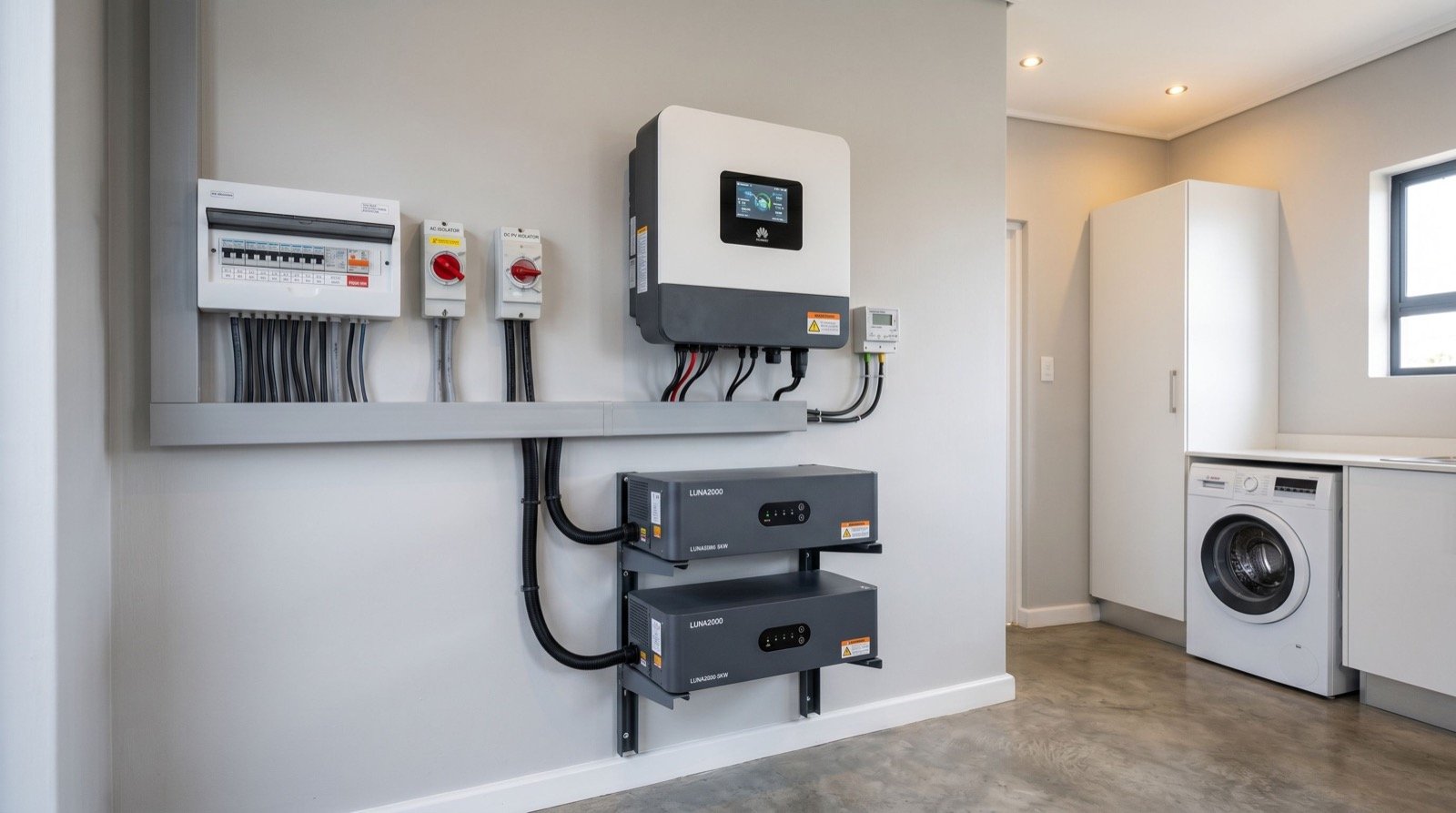
- Genuine inverter — matched to your array, with local service and firmware support.
- Warranty in writing — 12-year product and 25-year performance on panels; multi-year on the inverter.
- Proper mounting — corrosion-resistant rails rated for your roof and wind zone.
- Safety gear — DC and AC breakers, surge protection, and correct earthing.
- Net-metering support — the installer handles the K-Electric or DISCO application.
- After-sales plan — documented response times and a monitoring option.
A quote that skips any of these is not cheaper; it is incomplete. The missing pieces reappear later as failures, safety hazards, or a net-metering application that never gets approved.
What warranty should I expect?
In 2026, tier-one panels typically carry a 12-year product warranty and a 25-year performance warranty guaranteeing around 85–90% output at end of term. Anything materially shorter is a red flag about the panel’s quality or the seller’s confidence.
System Types Compared
Choosing the right architecture prevents overspending. This table lays out the trade-offs plainly.
| System Type | Bill Savings | Backup During Outage | Relative Cost |
|---|---|---|---|
| On-grid | Highest (net metering) | None | Lowest |
| Hybrid | High | Yes (battery) | Higher |
| Off-grid | N/A (no grid) | Full | Varies |
For most urban homes with a working grid, on-grid or hybrid wins. Off-grid makes sense mainly where the grid is absent or hopeless. Batteries add cost, so add them only if backup genuinely matters to you.
Coastal Cities Need Extra Protection
Location changes what you should buy. In coastal Karachi, salt-laden air accelerates corrosion, so panel frames, connectors, and mounting hardware must be salt-mist resistant. Look for panels tested to withstand corrosive environments and specify marine-grade or anodized mounting.
Humidity and occasional grid instability also make a good inverter and proper surge protection more valuable near the coast. Buyers comparing solar panels in Karachi should ask specifically about salt-mist certification and corrosion warranties, not just wattage and price.
Do coastal conditions shorten panel life?
Only if the hardware is not rated for it. Panels certified to international salt-mist corrosion standards, paired with corrosion-resistant mounting, last their full design life near the sea. The right specification, verified against the datasheet, neutralizes the coastal risk.
Budgeting, Payback, and Financing
Solar is a long-term purchase, so judge it on payback, not just the sticker price. In 2026, with steadily rising tariffs and net metering, many Pakistani households reach payback within roughly three to five years and then enjoy largely free daytime power for the remaining life of the panels.
Build your budget around the total installed cost, not the panels alone. Mounting, cabling, protections, labor, and net-metering paperwork all belong in the figure you compare between vendors.
A few practical budgeting habits protect you from surprises:
- Compare total installed cost — never compare one vendor’s panel-only price against another’s full quote.
- Factor in maintenance — cleaning and the occasional service call are small but real ongoing costs.
- Weigh battery value honestly — a battery adds cost and lengthens payback, so buy it for backup, not savings.
- Ask about instalment plans — many suppliers and banks now offer solar financing that spreads the cost.
If cash flow is tight, financing can make sense because the monthly saving on your electricity bill often offsets much of the instalment. Just confirm the interest terms so the financed system still pays for itself within the panel warranty period.
The Step-by-Step Buying Process
Follow this sequence to keep control of the deal:
- Calculate your average monthly units and set your goal (savings, backup, or both).
- Decide on-grid, hybrid, or off-grid based on that goal.
- Request three itemized quotes with exact model numbers.
- Verify panel and inverter authenticity and warranties.
- Confirm mounting, safety gear, and net-metering support are included.
- Check installer references and after-sales terms.
- Sign only when every checklist item is documented.
International bodies like the International Energy Agency report that solar PV remains the fastest-growing power source worldwide, which means genuine supply and support keep improving for careful buyers who insist on quality.
Frequently Asked Questions
Is it a good time to buy solar panels in Pakistan in 2026?
Yes. Rising tariffs, mature net-metering rules, and better local support make 2026 a strong year to invest, provided you buy tier-one hardware from a reputable supplier and confirm every warranty in writing.
How do I avoid fake or relabeled panels?
Ask for the datasheet and flash-test report, verify serial numbers on the manufacturer’s portal, and buy from established suppliers who provide documentation upfront. If a seller resists these checks, walk away.
Do I really need a battery?
Not always. On-grid systems with net metering deliver the best savings and no battery. Add a battery only if you want power during outages or the grid in your area is unreliable.
What extra should coastal buyers check?
Confirm salt-mist corrosion certification for panels and marine-grade or anodized mounting hardware. Coastal humidity also makes a quality inverter and proper surge protection worth prioritizing.
Conclusion: Buy Once, Buy Right
The smart way to buy solar panels in Pakistan in 2026 is methodical, not rushed. Size the system to your bill, choose the right architecture, verify authenticity and warranties, and specify protection that suits your city, whether that is Karachi’s salt air or the plains’ heat.
When you are ready to move, deal with trusted professionals who provide documentation, handle net metering, and stand behind their work. Follow the checklist, and your panels will pay you back cleanly for the next two decades.